Frequently Asked Questions

Find answers to common questions about maintaining a large garden, comparing professional services with DIY equipment ownership.

Beyond the obvious expenses, large gardens accumulate costs that many owners overlook initially. Equipment maintenance represents a significant portion: lawn mower blade sharpening (30-50 BGN per service), oil changes, air filter replacements, and seasonal tune-ups can total 400-600 BGN annually for basic machinery.

Storage solutions often require investment in sheds or covered areas (1,500-5,000 BGN). Fuel consumption for petrol-powered equipment adds 300-800 BGN yearly depending on garden size. Water bills increase substantially during growing season, potentially adding 200-500 BGN to annual costs. Replacement parts, safety equipment, and unexpected repairs create additional expenses that accumulate over time.

Professional gardening rates in Sofia vary based on service complexity and garden size. Basic lawn maintenance typically costs 40-80 BGN per visit for gardens up to 500 square meters. For larger properties exceeding 1,000 square meters, expect 100-200 BGN per session.

Comprehensive packages including pruning, weeding, fertilization, and seasonal planting range from 150-400 BGN monthly. Specialized services like tree trimming, hedge shaping, or landscape design command premium rates of 80-150 BGN per hour. Annual contracts often provide 10-15% discounts compared to individual bookings. Most professionals in Sofia's districts like Lozenets, Boyana, or Dragalevtsi charge higher rates due to property sizes and client expectations.

A functional large garden requires substantial equipment investment. The foundation includes a quality lawn mower (800-2,500 BGN), string trimmer (200-600 BGN), and leaf blower (300-900 BGN). For properties exceeding 800 square meters, riding mowers (3,000-8,000 BGN) become practical necessities.

Additional tools include hedge trimmers (250-700 BGN), pruning shears and saws (150-400 BGN), garden hoses with sprinklers (100-300 BGN), and wheelbarrows (120-350 BGN). Safety equipment like gloves, goggles, and ear protection adds another 100-200 BGN. Total initial investment typically ranges from 2,500 to 12,000 BGN depending on garden size and equipment quality chosen.

Equipment lifespan depends heavily on usage frequency, maintenance quality, and storage conditions. Petrol lawn mowers generally last 7-10 years with proper care, while electric models may need replacement after 5-7 years. String trimmers typically function for 5-8 years, and leaf blowers for 6-9 years.

Hand tools like pruning shears can last 10-15 years if maintained properly, while hoses usually require replacement every 3-5 years due to weather exposure. Riding mowers represent longer-term investments, often lasting 12-15 years with regular servicing. However, intensive use in large gardens can reduce these timeframes by 20-30%. Budget for replacing at least one major piece of equipment every 3-4 years to maintain operational efficiency.

Time investment for self-maintained gardens often surprises new owners. A 500 square meter garden requires approximately 3-5 hours weekly during peak growing season (April-September) for basic mowing, trimming, and watering. Larger properties of 1,000 square meters demand 6-10 hours weekly.

Seasonal tasks add considerable time: spring preparation (15-25 hours), autumn cleanup (20-30 hours), and ongoing weeding, fertilizing, and pest control (2-4 hours weekly). Equipment maintenance, sharpening, and repairs consume an additional 10-15 hours annually. For working professionals, this translates to most weekend time during growing months, which many find unsustainable long-term.

The break-even point varies based on garden size and service frequency. For gardens under 400 square meters with bi-weekly professional service at 60 BGN per visit (1,440 BGN annually), equipment ownership becomes cheaper after 2-3 years considering initial investment of 2,500-3,500 BGN plus annual operating costs of 500-700 BGN.

However, for larger properties requiring weekly attention, professional services at 100-150 BGN weekly (5,200-7,800 BGN annually) make equipment ownership attractive within the first year. Factor in your hourly wage value: if your time is worth 40 BGN per hour and you spend 6 hours weekly on garden work, that represents 12,480 BGN in opportunity cost annually, making professional services economically rational regardless of direct cost comparison.

Annual equipment maintenance represents 15-25% of initial purchase price for active use. A lawn mower costing 1,500 BGN requires approximately 250-400 BGN yearly for blade sharpening (2-3 times at 40 BGN), oil changes (2 times at 30 BGN), spark plug replacement (25 BGN), air filter (35 BGN), and fuel stabilizer (20 BGN).

String trimmers need new line (60-80 BGN annually), occasional carburetor cleaning (50 BGN), and filter replacements (30 BGN). Hedge trimmers require blade sharpening (50-70 BGN yearly). Add fuel costs (300-600 BGN for petrol equipment), storage solutions, and unexpected repairs. Total annual maintenance across all equipment typically ranges from 600-1,200 BGN for comprehensive garden tool sets.

For gardens exceeding 600 square meters, petrol equipment generally proves more practical despite higher operating costs. Petrol mowers cost 800-2,500 BGN initially with annual fuel expenses of 250-500 BGN, while comparable electric models cost 600-1,800 BGN with electricity costs of 80-150 BGN yearly.

However, petrol tools offer unlimited runtime and greater power for thick grass and tough vegetation. Electric equipment requires battery replacements every 3-4 years (200-400 BGN per battery), potentially negating fuel savings. Corded electric tools limit mobility in large spaces. For properties under 400 square meters, electric tools provide sufficient power with lower environmental impact and reduced maintenance. Consider hybrid approaches: electric for light tasks, petrol for heavy-duty work.

Equipment ownership introduces liability concerns often overlooked. Homeowner insurance typically covers garden tools stored on property, but verify coverage limits (usually 1,000-3,000 BGN for outdoor equipment). Theft of expensive riding mowers or power tools may require additional riders costing 50-150 BGN annually.

Professional services should carry liability insurance protecting against property damage or injury. Request proof of coverage (minimum 100,000 BGN liability) before hiring. Uninsured contractors create significant risk if accidents occur on your property. Some professionals include equipment insurance in their rates, while others charge separately. Factor insurance costs (100-250 BGN annually for comprehensive equipment coverage) when comparing DIY versus professional service economics.

Garden expenses fluctuate dramatically throughout the year. Spring (March-May) demands highest investment: soil preparation, fertilization, planting, and equipment servicing can total 800-1,500 BGN. Summer (June-August) brings peak water costs (150-400 BGN monthly) and frequent mowing requiring maximum fuel consumption.

Autumn (September-November) involves leaf removal, winterization, and final fertilization (400-800 BGN). Winter (December-February) offers respite with minimal maintenance but requires equipment storage and protection (100-200 BGN). Professional services often offer reduced winter rates (30-40% discounts) or pause contracts entirely. Budget approximately 60% of annual costs for April-September period, with remaining 40% distributed across other months.

Petrol-powered equipment produces significant emissions: a typical lawn mower generates pollution equivalent to driving a car 150-200 kilometers per hour of operation. For large gardens requiring 100+ hours annually, this environmental impact becomes substantial. Fuel consumption also contributes to carbon footprint.

Electric equipment reduces direct emissions but depends on electricity source. Battery production and disposal create environmental concerns. Professional services using commercial-grade equipment often achieve better efficiency through optimized routes and modern machinery. Some professionals now offer eco-friendly services using electric or manual tools, typically charging 10-20% premium. Consider environmental costs alongside financial factors when choosing between DIY and professional maintenance approaches.

Hybrid approaches often provide optimal balance between cost and convenience. Many owners handle weekly mowing and basic watering themselves while hiring professionals quarterly for specialized tasks: spring garden preparation (300-600 BGN), summer pruning and shaping (250-500 BGN), autumn cleanup (400-700 BGN), and winter preparation (200-400 BGN).

This reduces annual professional costs to 1,150-2,200 BGN while requiring minimal equipment investment (basic mower, trimmer, hose: 1,200-2,000 BGN). Time commitment drops to 2-3 hours weekly versus 6-8 hours for complete DIY. Tasks requiring specialized knowledge, dangerous equipment, or significant physical effort benefit most from professional handling. This approach works particularly well for working professionals with limited weekend availability.

Beyond direct costs, several factors determine the best approach. Physical capability matters: garden maintenance demands strength, endurance, and mobility that not everyone possesses. Age, health conditions, and fitness levels significantly impact DIY feasibility. Available time represents another critical factor: consistent weekly maintenance prevents problems that become expensive to correct later.

Technical knowledge affects results: improper pruning, fertilization, or pest control can damage plants worth thousands of leva. Storage space availability influences equipment ownership practicality. Property accessibility for professional services varies by location. Personal enjoyment of gardening work versus viewing it as burden shapes long-term satisfaction. Consider all these elements alongside financial comparison for informed decision-making.

Quality assessment begins with credentials verification: check for horticultural training, business registration, and insurance coverage. Request references from clients with similar garden sizes in Sofia neighborhoods like Simeonovo, Bistritsa, or Knyazhevo. Visit previous work sites if possible to evaluate results firsthand.

Professional services should provide detailed written estimates specifying tasks, timing, and costs. Observe their equipment condition and maintenance practices during initial consultation. Quality providers use sharp, clean tools and follow proper techniques. Ask about plant knowledge, pest identification capabilities, and seasonal planning expertise. Reliable professionals communicate clearly, arrive punctually, and address concerns promptly. Trial periods (1-2 months) allow evaluation before committing to annual contracts.

Undersizing equipment ranks as the most frequent error: purchasing mowers designed for 300 square meters to maintain 800 square meters leads to premature failure and frustration. Conversely, oversized equipment wastes money and storage space. Match power and capacity to actual garden dimensions and terrain difficulty.

Buying cheapest options often proves expensive long-term: budget tools require frequent replacement and perform poorly. However, professional-grade equipment exceeds most homeowner needs. Target mid-range quality from established brands. Neglecting storage planning creates problems: equipment exposed to weather deteriorates rapidly. Purchasing incompatible accessories or wrong fuel types causes damage. Research thoroughly, read reviews from users with similar properties, and consult experienced gardeners before major equipment investments.

Garden size creates non-linear cost relationships. Properties under 300 square meters favor professional services: equipment investment (1,500-2,500 BGN) exceeds 2-3 years of bi-weekly professional care (1,200-1,800 BGN annually). Gardens of 500-800 square meters represent the transition zone where costs balance depending on service frequency and equipment choices.

Properties exceeding 1,000 square meters strongly favor equipment ownership: professional weekly service costs 5,000-8,000 BGN annually while comprehensive equipment investment of 4,000-7,000 BGN pays for itself within 12-18 months. However, time commitment increases proportionally: 1,500 square meters requires 8-12 hours weekly during peak season. Calculate costs per square meter: professional services typically cost 8-15 BGN per 100 square meters monthly, while DIY costs 3-6 BGN per 100 square meters including equipment depreciation.

Major equipment purchases offer several financing approaches. Many retailers provide installment plans: 6-12 month interest-free periods for purchases exceeding 1,000 BGN, or longer terms (24-36 months) with interest rates of 8-15% annually. Calculate total cost including interest before committing.

Personal loans from banks offer flexibility but typically carry higher interest (10-18% annually). Credit cards provide convenience for smaller purchases but expensive for large equipment due to high rates. Leasing arrangements exist for commercial-grade equipment, though rarely economical for residential use. Consider gradual acquisition: purchase essential items first (mower, trimmer) and add specialized tools over 2-3 seasons as budget allows. Used equipment markets offer savings of 30-50% but require careful inspection for wear and damage.

Strategic planning reduces costs significantly. Choose low-maintenance plants suited to Sofia's climate: native species require less water, fertilizer, and pest control. Mulching reduces watering needs by 40-60% and suppresses weeds. Proper soil preparation initially prevents ongoing problems requiring expensive correction.

For equipment owners, preventive maintenance extends lifespan: clean tools after use, sharpen blades regularly, store properly during winter. Buy quality fuel and oil to prevent engine damage. For professional services, annual contracts typically offer 10-20% savings versus individual bookings. Schedule services during off-peak periods for better rates. Group neighboring properties for shared service discounts. Invest in irrigation systems (1,500-4,000 BGN installed) that reduce water waste and time spent watering. Long-term planning and consistent care prove cheaper than reactive problem-solving.

About Cokili

Since 2015, Cokili has been helping property owners in Sofia understand the real costs of maintaining large gardens. What started as a small consulting service has grown into a comprehensive resource for garden cost analysis and equipment evaluation.

We specialize in breaking down the financial aspects of garden maintenance, comparing professional gardening services with equipment ownership costs. Our team consists of 4 certified horticulturists and 2 financial analysts who work together to provide accurate cost assessments.

Garden maintenance cost analysis

Our Foundation Story

Cokili was established when our founder, a landscape architect with 12 years of experience, noticed that many clients in Sofia's Lozenets and Boyana districts were making costly decisions about garden maintenance without proper financial information. Property owners were either overspending on professional services or investing in equipment they rarely used.

We created a systematic approach to evaluate these costs. Our method involves analyzing garden size (typically 500-2000 square meters for our clients), seasonal maintenance requirements, and comparing hourly rates for professional gardeners (ranging from 15-25 BGN per hour in Sofia) against equipment purchase and maintenance expenses.
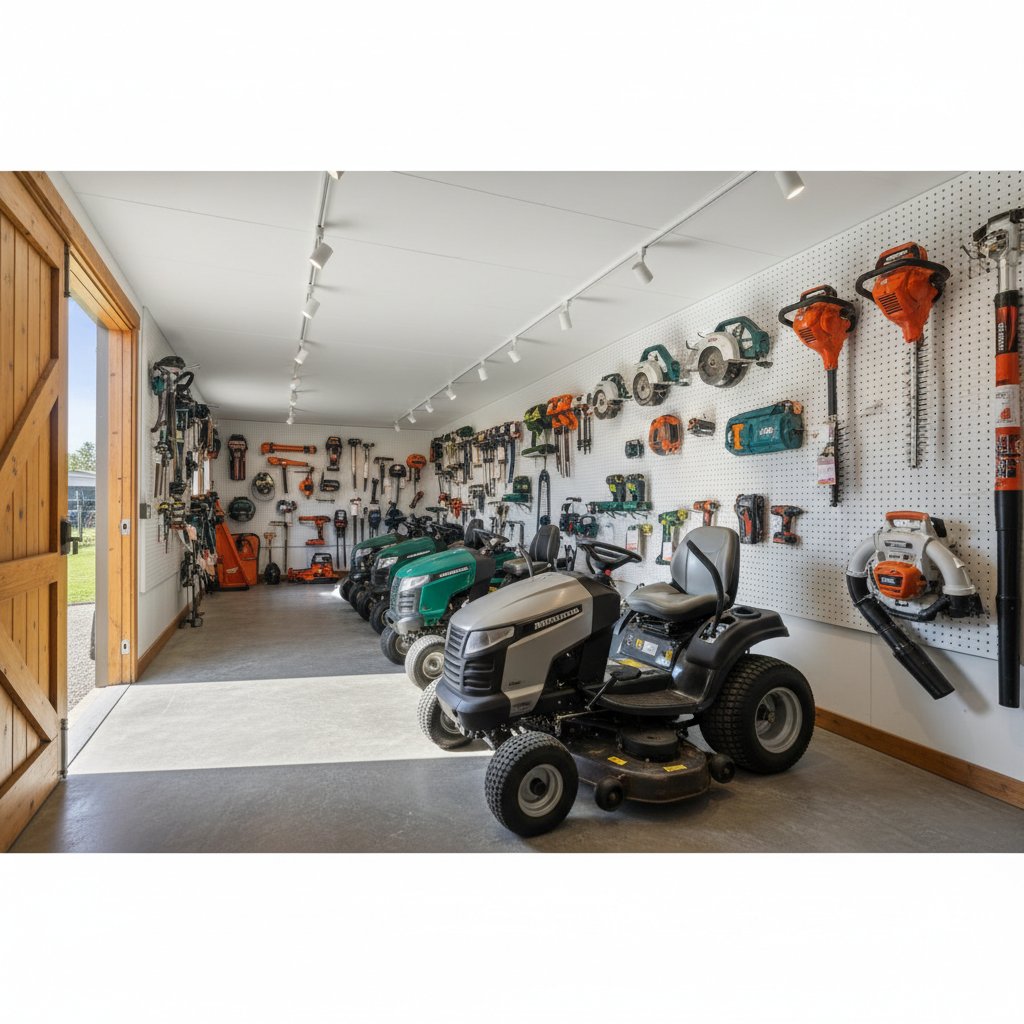
Garden equipment cost comparison

Our Mission

We provide transparent cost analysis for garden maintenance decisions. Our goal is to help property owners make informed choices based on actual numbers rather than assumptions, whether they're considering hiring a gardener or purchasing equipment.

What We Offer

Our services include detailed cost breakdowns for different garden sizes, seasonal maintenance schedules, and equipment depreciation calculations. We analyze factors like fuel costs, storage requirements, and repair expenses that often get overlooked in initial planning.

Transparency

We present all costs upfront, including hidden expenses like equipment storage, insurance, and seasonal variations in service pricing.

Accuracy

Our calculations are based on current market rates in Sofia and surrounding areas, updated quarterly to reflect seasonal price changes.

Practicality

We focus on real-world scenarios, considering factors like garden accessibility, terrain difficulty, and local service availability.

Independence

We maintain no affiliations with equipment suppliers or gardening services, ensuring unbiased cost comparisons.

850+ Cost Analyses Completed
6 Team Specialists
9 Years of Operation