Why most Скрытые расходы на большой сад: Стоимость услуг садовника против покупки оборудования projects fail (and how yours won't)
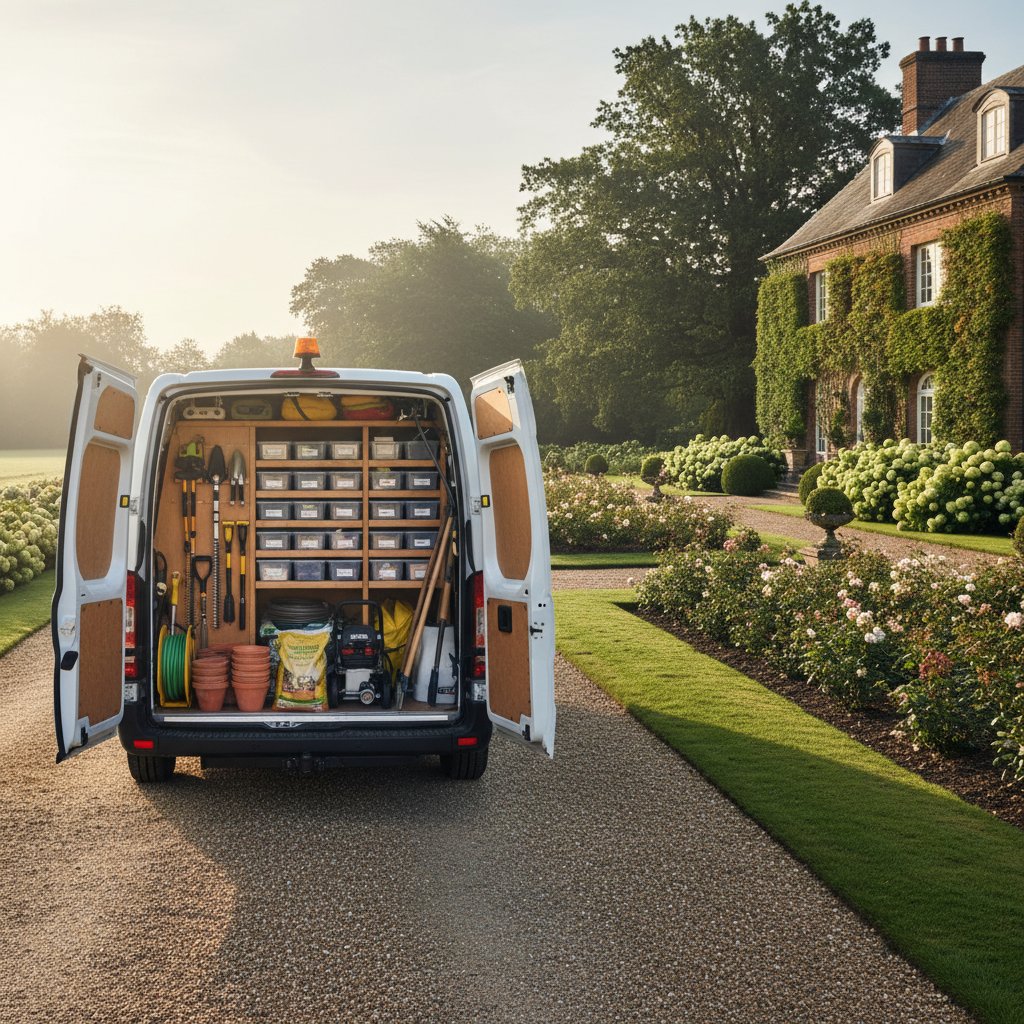
The $8,000 Mistake Nobody Warns You About
Picture this: You've got a sprawling garden that's starting to look like a jungle. You do the math—hiring a gardener runs about $150-300 per visit, maybe twice a month. That's $3,600 to $7,200 annually. Your brain does that thing where it thinks "I could just buy the equipment and do it myself!" Fast forward six months, and your garage is packed with expensive tools gathering dust while your garden looks worse than when you started.
Sound familiar? You're not alone. Roughly 70% of homeowners who invest in professional-grade garden equipment for large properties end up hiring help within the first year anyway. They've already dropped $2,000-5,000 on machinery they barely use.
Why Your Garden Budget Goes Sideways
The real killer isn't the upfront equipment cost—it's everything that comes after. Let's break down what nobody tells you at the hardware store.
The Hidden Money Pit
That $1,200 ride-on mower needs annual servicing ($200-350). Blades need sharpening every 25 hours of use ($40-60 each time). You'll burn through about $300 in fuel annually for a large property. The hedge trimmer battery dies after 18 months ($89 replacement). Your chainsaw needs new chains ($25-40 each) more often than you'd think.
One homeowner I spoke with in Connecticut calculated his "savings" from buying equipment. After three years, he'd spent $4,800 on tools, $1,400 on maintenance and parts, and another $600 on fuel. Meanwhile, his neighbor paid a gardening service $6,200 over the same period—but the neighbor's garden actually looked maintained.
Time Is Money (Seriously, Do The Math)
A 2-acre property takes roughly 4-6 hours to maintain properly each week during growing season. That's 100-150 hours per year minimum. If you value your time at even $30 per hour—less than you'd pay a plumber—you're looking at $3,000-4,500 in opportunity cost. Add equipment expenses, and suddenly that gardener's invoice doesn't look so steep.
Warning Signs You're Heading for Disaster
You're in trouble if you notice these red flags:
- You've watched three YouTube tutorials on the same piece of equipment but still can't get it working right
- Your "quick weekend project" consistently bleeds into Tuesday evening
- Equipment sits unused for weeks because you're "too busy" or the weather isn't perfect
- You're Googling repair shops more than you're actually gardening
- Your partner has stopped making eye contact when you mention the garden
The Smart Money Solution
Step 1: Run Your Actual Numbers
Grab a calculator and be brutally honest. Professional service for a large garden: $4,000-8,000 yearly. Equipment route: $3,000-6,000 initial investment, plus $800-1,200 annual operating costs, plus your time valued at market rate. Most people realize the service route wins by year two.
Step 2: Try The Hybrid Approach
Here's what actually works: Hire professionals for the heavy lifting—mowing, major pruning, spring and fall cleanup. You handle the enjoyable stuff like planting flowers, light weeding, or maintaining a vegetable patch. Buy only hand tools and small equipment (under $200 per item).
This cuts your service costs by about 40% while keeping your equipment investment under $500 total.
Step 3: Negotiate Smarter Contracts
Most gardening services offer 10-20% discounts for annual contracts paid upfront. Some throw in extras—spring mulching, seasonal plantings—as retention bonuses. One client negotiated a deal where she provides her own plants and materials, saving 25% on the overall bill while maintaining creative control.
Step 4: Schedule Realistically
Weekly service during peak season (May-September), bi-weekly in shoulder months, monthly in winter. This flexible schedule typically runs $3,800-5,500 annually for a large property—less than the true cost of DIY when you factor everything in.
Keep Your Budget Under Control
Set a calendar reminder each quarter to review what you're actually spending. Track both obvious costs (service bills, equipment purchases) and sneaky ones (replacement parts, your Saturday afternoons, that chiropractor visit after you threw out your back).
Create a simple spreadsheet. Column A: what you're paying. Column B: what it would cost the other way. Update it every three months. Numbers don't lie, even when your ego wants to.
The best garden investment isn't the fanciest mower or the cheapest service—it's the honest calculation you do before spending a dime. Your back, your weekends, and your bank account will thank you.