Скрытые расходы на большой сад: Стоимость услуг садовника против покупки оборудования: common mistakes that cost you money
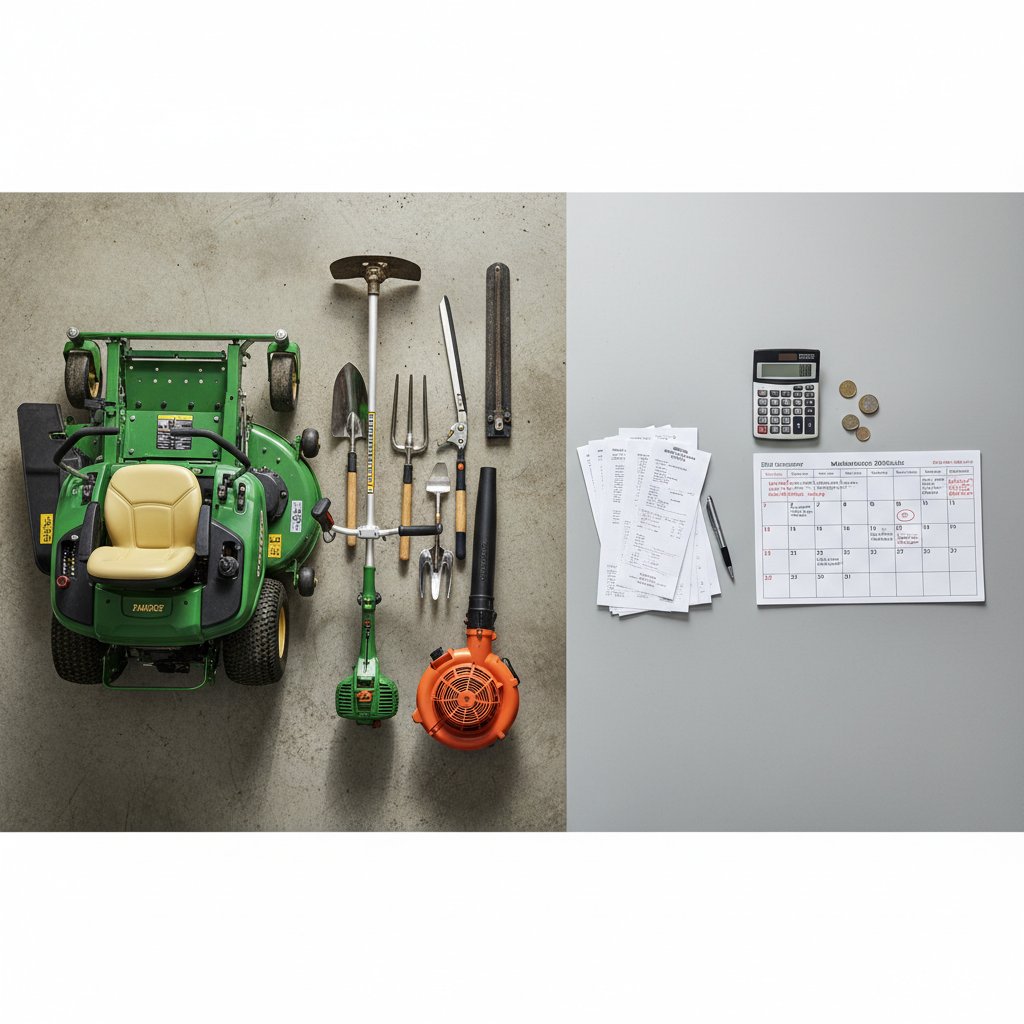
The Real Price Tag of Garden Maintenance: Hiring Help vs. DIY Equipment Investment
You've got a sprawling garden that looks gorgeous in spring but turns into a money pit faster than you can say "lawn aeration." Most homeowners with large properties dramatically underestimate what they'll actually spend keeping their green space looking decent. The classic dilemma? Shell out for a professional gardener or buy equipment and tackle it yourself.
Here's the thing nobody tells you: both paths are riddled with hidden costs that'll ambush your wallet when you least expect it. Let's break down where your money actually goes.
The Professional Gardener Route: What You're Really Paying For
The Upside
- Zero equipment storage headaches: No shed full of depreciating machinery cluttering your property
- Expertise on tap: They know which plants are struggling and why, saving you from expensive replanting disasters
- Time reclaimed: A 2,000 square meter garden typically needs 8-12 hours of weekly maintenance during peak season
- Seasonal flexibility: Scale services up in summer, down in winter without eating storage costs
- Insurance coverage: Damage to property or plants falls on their policy, not yours
The Hidden Costs That Sting
- The premium creep: That $200/month quote? Expect 15-20% annual increases as they add "necessary" services
- Scope inflation: "Just the basics" mysteriously requires fertilization, pest control, and seasonal plantings at $50-150 per visit
- Emergency callouts: Storm cleanup or urgent tree work runs $80-120 per hour on top of regular fees
- Material markups: Gardeners charge 30-50% above retail for mulch, soil, and plants they source
- Communication tax: Hours spent explaining what you want, fixing what they misunderstood, and rescheduling missed appointments
- Quality roulette: Staff turnover means the skilled person who understood your roses gets replaced by someone learning on your dime
Real numbers? A large garden typically costs $300-600 monthly for basic maintenance. Add seasonal work, and you're looking at $5,000-9,000 annually. Over a decade, that's $50,000-90,000 walking out the door.
The DIY Equipment Investment: Building Your Arsenal
The Upside
- Upfront clarity: Buy once, use for years without monthly invoices haunting your bank statement
- Work on your schedule: Mow at 6am or 9pm without coordinating with anyone
- Control freak paradise: Everything gets done exactly how you want it, when you want it
- Skill building: You'll actually understand your garden's needs instead of nodding along to expert jargon
- Asset value: Quality equipment retains 40-60% resale value after five years
The Hidden Costs Nobody Mentions
- The initial shock: Decent riding mower ($2,500-4,000), quality trimmer ($300-500), hedge trimmer ($200-400), blower ($150-300), plus hand tools ($200-400). You're dropping $4,000-6,000 before cutting a single blade of grass
- Maintenance amnesia: Budget $300-500 yearly for blade sharpening, oil changes, spark plugs, air filters, and winterization
- The breakdown lottery: Transmission repair on a riding mower? $800-1,200. Engine replacement? $1,500-2,500
- Storage infrastructure: You'll need a proper shed ($1,500-3,000) or watch your equipment rust into expensive scrap metal
- Upgrade temptation: That battery-powered system looks so convenient... there goes another $2,000
- Injury risk: Emergency room visits from equipment accidents average $1,800, plus lost work time
- Learning curve disasters: Scalped lawn sections, over-pruned shrubs, and incorrectly applied chemicals cost $500-2,000 to professionally fix
- Your time has value: Those 10-12 hours weekly equal 500-600 hours yearly. At $50/hour opportunity cost, that's $25,000-30,000 in foregone earnings or leisure
Side-by-Side Reality Check
| Factor | Professional Gardener | DIY Equipment |
|---|---|---|
| Year 1 Cost | $5,000-9,000 | $6,000-10,000 (equipment + shed + learning mistakes) |
| Year 5 Total | $27,000-48,000 | $10,000-16,000 (including maintenance) |
| Year 10 Total | $55,000-95,000 | $18,000-28,000 (with one major equipment replacement) |
| Time Investment | 2-3 hours monthly (supervision/communication) | 40-50 hours monthly (actual work) |
| Expertise Required | Minimal | Steep learning curve, ongoing education |
| Flexibility | Scheduling dependent | Complete control |
| Physical Demand | None | High (potential health issues over time) |
The Costly Mistakes Everyone Makes
Buying cheap equipment thinking you'll upgrade later: That $800 push mower will die after two seasons on a large property, costing you double. Either commit to professional-grade tools or hire professionals.
Underestimating your gardener's scope: Get everything in writing. "General maintenance" means different things to different people. Vague contracts cost you $1,000+ in surprise charges annually.
Ignoring equipment maintenance: Skipping a $40 oil change leads to a $1,500 engine replacement. This isn't optional upkeep.
Not calculating your time's worth: If you earn $75/hour at your job, spending 12 hours weekly on garden work costs you $46,800 yearly in opportunity cost. Could you work overtime instead and easily cover a gardener?
Mixing approaches badly: Hiring someone for "just mowing" while doing the rest yourself often costs more than either pure approach. You're paying professional rates for partial work while still storing equipment.
The Verdict? It Depends on Your Actual Situation
Choose professional help if you value your weekends above $30,000 over five years, hate physical labor, or earn enough that your time genuinely costs more than gardening expenses.
Go DIY if you're physically capable, actually enjoy outdoor work (be honest), have 10+ hours weekly to spare, and plan to stay in the property for 7+ years to recoup equipment investment.
The worst financial decision? Drifting into either choice without calculating the full cost. Run the numbers with your actual income, property size, and realistic time availability. Your garden's beauty shouldn't come at the expense of your financial health or sanity.